Assets · GangoAI platform
Water & NetworksA burst doesn't start when the main fails. It starts as drift.
GangoAI watches every pump, main and DMA against its own normal, and flags the drift before a fixed threshold ever trips. From the flow and pressure data your network already produces.
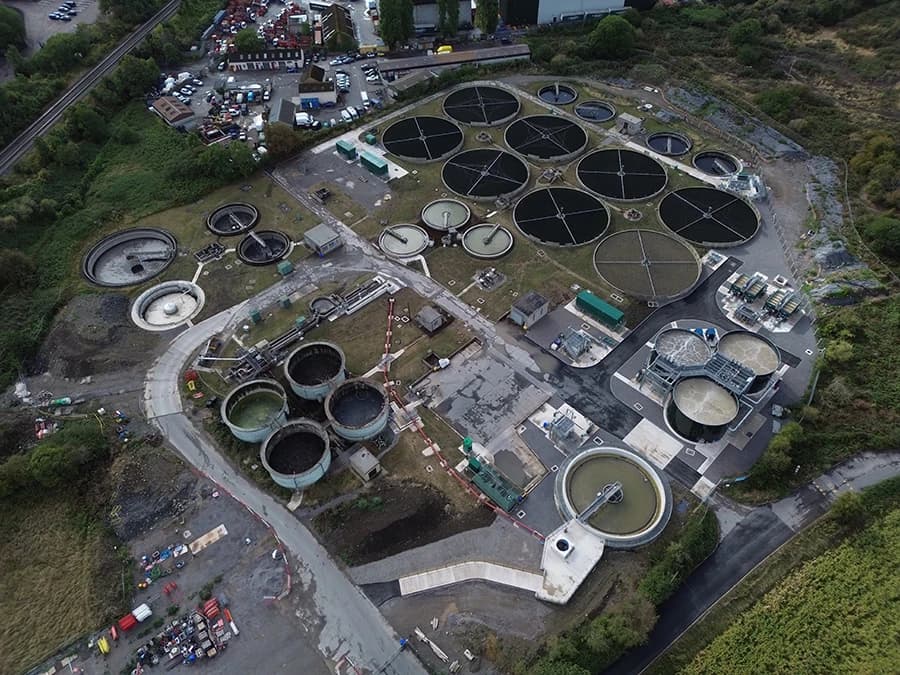
See the drift while there is still time to act.
1
See it early
Each asset is watched against its own normal, so a developing problem shows up long before a fixed threshold is crossed.
2
From data you already have
No new sensors, no rip-and-replace. It runs on the flow, pressure and night-line telemetry your network already produces.
3
Act before it spreads
You are warned with enough lead time to intervene at the source, before a burst, a spill or a supply interruption.
A drifting asset is never just one asset.
A main losing its normal is not an isolated alert. It is the supply you are about to lose, the DMAs downstream of it, the spill it could cause, the crew you now need in the right place. GangoAI shows you the drift across the connected network, so you act at the operation level, not one asset at a time after the water is already on the ground.
See your whole operation as one picture with IchnosBuilt for regulated infrastructure
Every alert comes with its reason.
When you justify sending a crew or shutting a main, "the model said so" is not enough. Every GangoAI signal traces back to a specific, named measurement on a specific asset. Deterministic, auditable, and defensible to your regulator.